After any flooding or backup
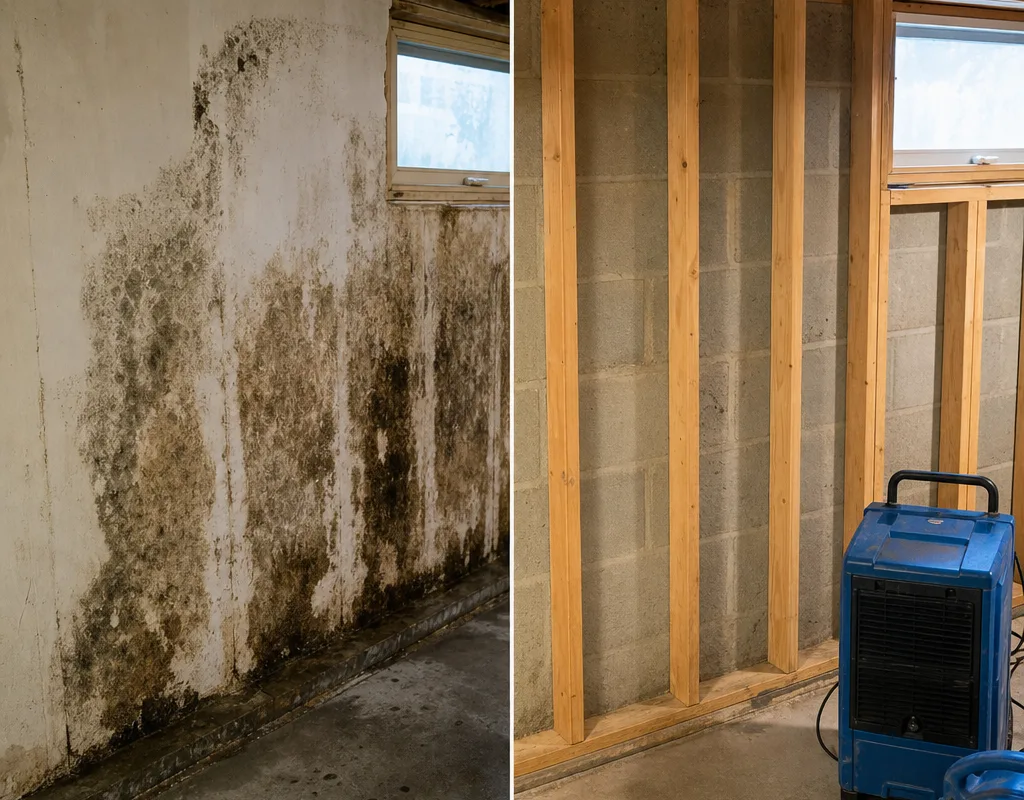
If water reached drywall, flooring edges, or insulation, mold can start quickly in hidden cavities. Drying and targeted removal early can reduce the footprint of the project.
Serving Boston, Massachusetts & surrounding areas

Mold Remediation · Boston, MA
Get a clear plan after leaks or flooding: inspection, safe containment, removal, and prevention steps that protect your property and the people in it.
✓ Skip the 3-hour Google rabbit hole — we’ve already done the vetting
✓ One conversation, not ten voicemails and seven web forms
✓ 24/7 emergency response — talk to a real person who actually knows Boston
A real person answers - 24/7 Emergency Response
Source-First Remediation
If you are searching for mold removal Boston, you usually need two things fast: a safe cleanup and a straight answer on what happens next. Mold is rarely the main problem. The main problem is moisture that keeps feeding it, whether that started with a roof leak, a plumbing failure, a wet basement, or a building that stayed damp after a storm.
Our team at Water Damage Boston MA focuses on practical, code-minded remediation: identify the wet materials, isolate the work area, remove what cannot be cleaned, clean what can, and dry the structure so mold does not return. You will get a written scope that explains what we found, what we are removing versus cleaning, and what conditions need to be corrected to stabilize the space.
In Boston, we often see mold patterns tied to older housing stock and tight, hard-to-ventilate spaces. Garden-level apartments and basements can stay humid for long stretches, especially in summer. Triple-deckers, brownstones, and older multi-family buildings also hide moisture in wall cavities around bathrooms, kitchens, and radiator or pipe chases. In newer condos, mold can still develop when a small leak goes unnoticed behind cabinetry or inside a ceiling.
If you are also dealing with a fresh loss, the fastest path is one coordinated response that stops the water and stabilizes the building. Many customers start by addressing water damage restoration so the space can be dried and evaluated before any rebuild decisions are made.
Controlled Cleanup
A proper Boston mold removal job is a controlled work process, not a quick spray-and-wipe. The goal is to remove contamination while keeping spores and dust from spreading to clean areas.
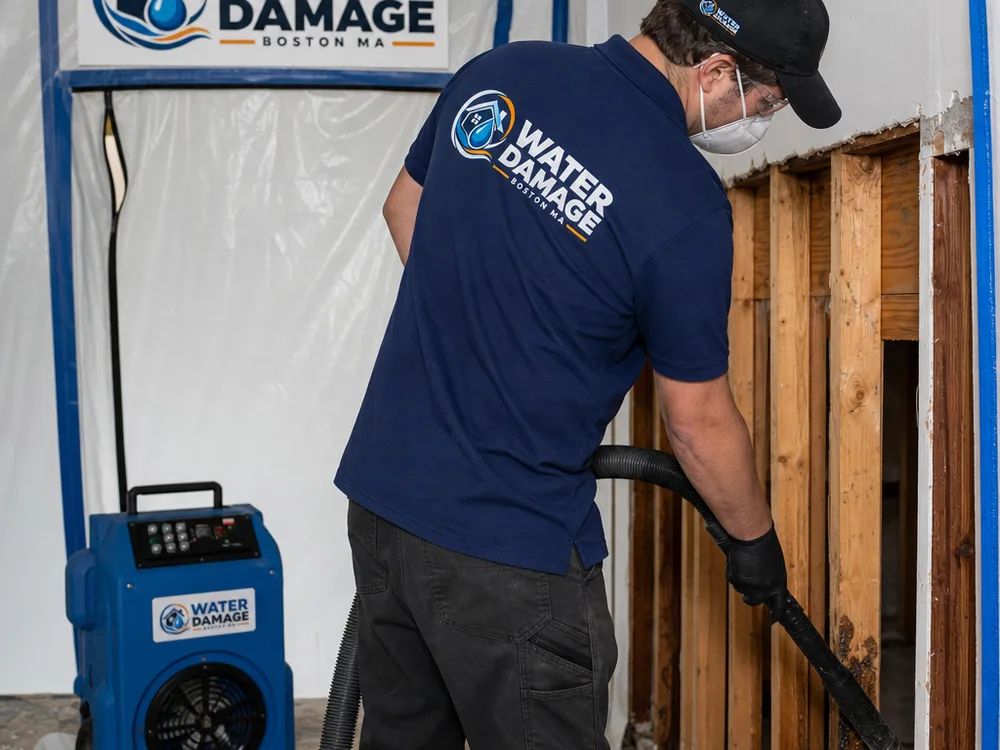
Inspection and moisture mapping: We check visible growth and use moisture readings to find wet building materials, including behind baseboards and around plumbing penetrations.
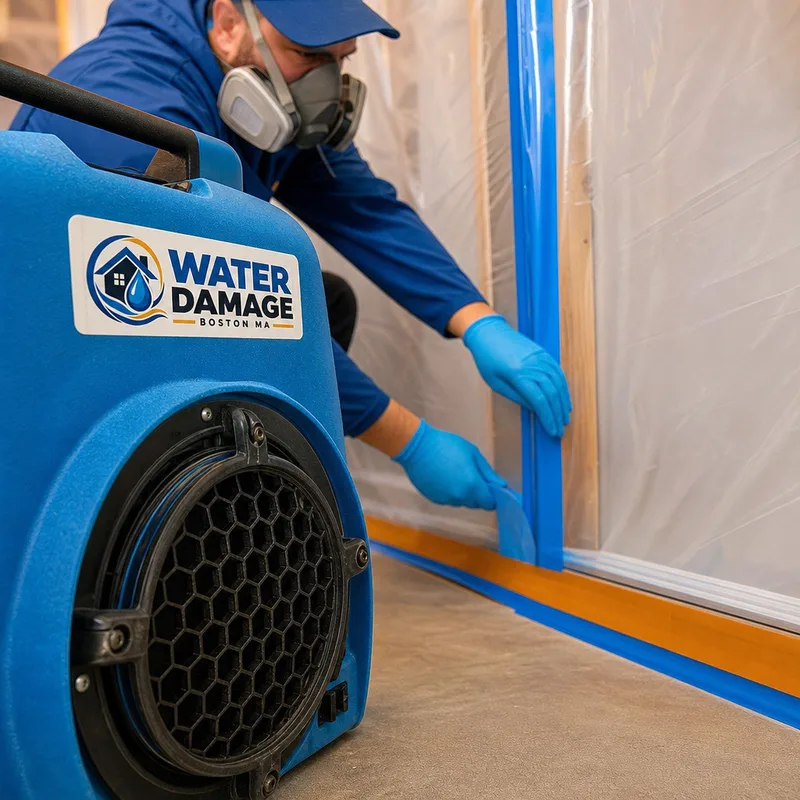
Containment and air control: We isolate the affected area with poly barriers and use negative air—air scrubbers with HEPA filtration—when conditions call for it. This reduces cross-contamination while work is in progress.
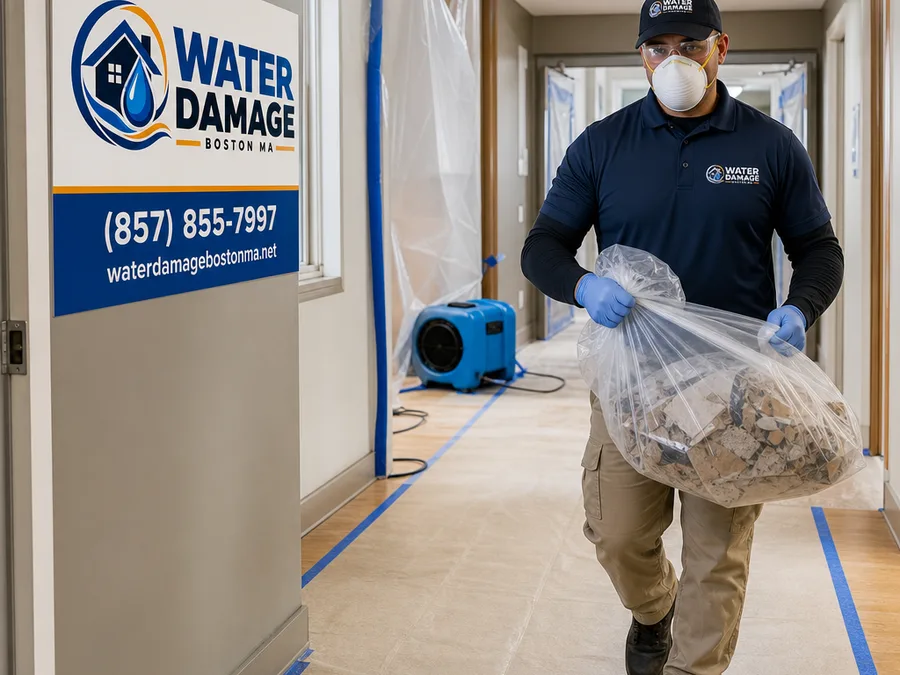
Removal of unsalvageable materials: Porous items such as drywall, insulation, some ceiling tiles, and warped wood trim often need to be removed when mold growth is established.
HEPA vacuuming and cleaning: Remaining surfaces are detailed with HEPA vacuuming and appropriate cleaning methods. The exact approach depends on the material and the extent of growth.
Drying and dehumidification: Remediation is not complete until moisture is controlled. Drying equipment selection depends on airflow, temperature, and the materials involved.
Clearance-ready finish: When you are working with an industrial hygienist for post-remediation verification, we can coordinate the timing so the area is ready for testing once drying and cleaning are complete.
Know The Warning Signs
If water reached drywall, flooring edges, or insulation, mold can start quickly in hidden cavities. Drying and targeted removal early can reduce the footprint of the project.
Recurring odor often points to moisture trapped behind finishes, under flooring, or in HVAC or wall cavities. Cleaning the visible surface rarely solves it.
Drywall paper, insulation, and certain ceiling materials are difficult to truly clean once colonized. Removal and controlled disposal are often the safest option.
Garden units, basements, and older bathrooms without strong ventilation can stay damp through humid summers. Prevention often includes dehumidification and airflow fixes.
If anyone in the home is sensitive, or the affected area is in a bedroom, nursery, or main living space, containment and air control become even more important.
We ask what happened—leak, storm water, or long-term dampness—what areas are affected, and whether there are any health sensitivities. On site, we document conditions and check moisture to understand what is still wet.
You get a clear scope: what is being removed, what is being cleaned, what equipment is needed, and what access we need. We also outline how we will isolate the area and manage dust and air movement.
We remove damaged porous materials as needed, then HEPA vacuum and clean remaining structural surfaces. If contents were impacted, we explain what can be cleaned and what should be discarded.
We set equipment to match the space and materials, then monitor progress until moisture levels are consistent with dry conditions. If the moisture source is still active, we pause and help coordinate the correction before closing up.
Once the area is clean and dry, we can coordinate with any third-party clearance testing you choose. After that, you can plan repairs with confidence that conditions are stable.
Understanding The Scope
Mold removal in Boston typically ranges from about $1,500 to $6,500+, with small, contained areas sometimes closer to $750 to $2,000 and larger multi-room or hidden-cavity projects running higher. The range depends on how much material has to be removed, whether containment with negative air is needed, how much cleaning detail is required, and how long drying and dehumidification must run. Access—tight basements and stacked multi-family layouts—contents handling, and whether you need clearance testing coordination also affect price. The exact cost is confirmed after an on-site inspection and written scope.
📞 Boston • 24/7 ResponseControlled Work In The Field
“We had a slow leak under a sink that turned into mold behind the cabinet. The crew explained what had to be removed versus cleaned, set up containment, and left the area dry and ready for repairs.”
“After a wet basement episode, they found dampness along the bottom of the finished wall that we would have missed. The scope was clear, and the process felt controlled instead of chaotic.”
Answers Before Cleanup Begins
Sometimes, yes, but only when the affected material is non-porous or semi-porous and the moisture problem is corrected. If mold growth is on drywall, insulation, or other porous materials, removal is often the safest approach because those materials are difficult to fully clean once colonized.
Many small, contained projects take 1 to 2 days of remediation work, while larger or hidden-cavity jobs can take several days plus drying time. The schedule depends on the size of the affected area, how much demolition is required, and how quickly materials dry in basements or other low-airflow spaces.
Clearance testing is optional, but it is a good idea when the affected area is large, when occupants are sensitive, or when you want documentation for a tenant, buyer, or insurer. A third-party industrial hygienist typically performs the sampling, and remediation should be complete and the area dry before testing.
Move what you can to a clean, dry area, and avoid dragging items through visible mold or demolition dust. During remediation, we can help you separate items by cleanable versus discard, and we protect pathways so contents removal does not spread contamination through common areas, which matters in Boston multi-family buildings.
A musty odor often indicates moisture and microbial growth, but the source can be hidden in wall cavities, under flooring, or around plumbing. The practical next step is an inspection with moisture readings to locate what is damp and determine whether removal, cleaning, drying, or a combination is required.
Mold can return if moisture returns, so prevention is part of the scope. After Boston mold removal, the space must be dry and the moisture source corrected, whether that is a leak repair, improved ventilation in a bathroom, or dehumidification for a damp basement.
Tell us what you are seeing and where it started. We will assess the affected areas, explain what needs to be contained and removed, and give you a written scope so you can move forward with cleanup and repairs.