Clear, written findings
You receive documentation that separates what is confirmed on site—visible growth, moisture readings, and building conditions—from what still needs verification.
Serving Boston, Massachusetts & surrounding areas
Mold Inspection · Boston, MA
Get clear findings, practical next steps, and scheduling that fits real life. Our certified inspectors document conditions, collect targeted samples when needed, and explain what the results mean for your home.
✓ Skip the 3-hour Google rabbit hole — we’ve already done the vetting
✓ One conversation, not ten voicemails and seven web forms
✓ 24/7 emergency response — talk to a real person who actually knows Boston
A real person answers - 24/7 Emergency Response
Know When To Inspect
If you are searching for mold inspection Boston homeowners can rely on, you are usually dealing with one of two problems: you see suspicious growth, or you have a musty odor and do not know where it is coming from. In either case, an inspection is the fastest way to turn a worry into a documented condition with a plan.
Common reasons Boston-area clients request an inspection include:
Boston housing stock spans pre-war buildings, mid-century construction, and newer condos, often with tight mechanical spaces, finished basements, and shared walls. Those details matter because mold growth is usually linked to moisture that is hidden: behind drywall, under flooring, around windows, or in building cavities. Our job is to locate the likely moisture source, document what is visible, and recommend the next reasonable step based on what we can verify on site.
Conditions Before Conclusions
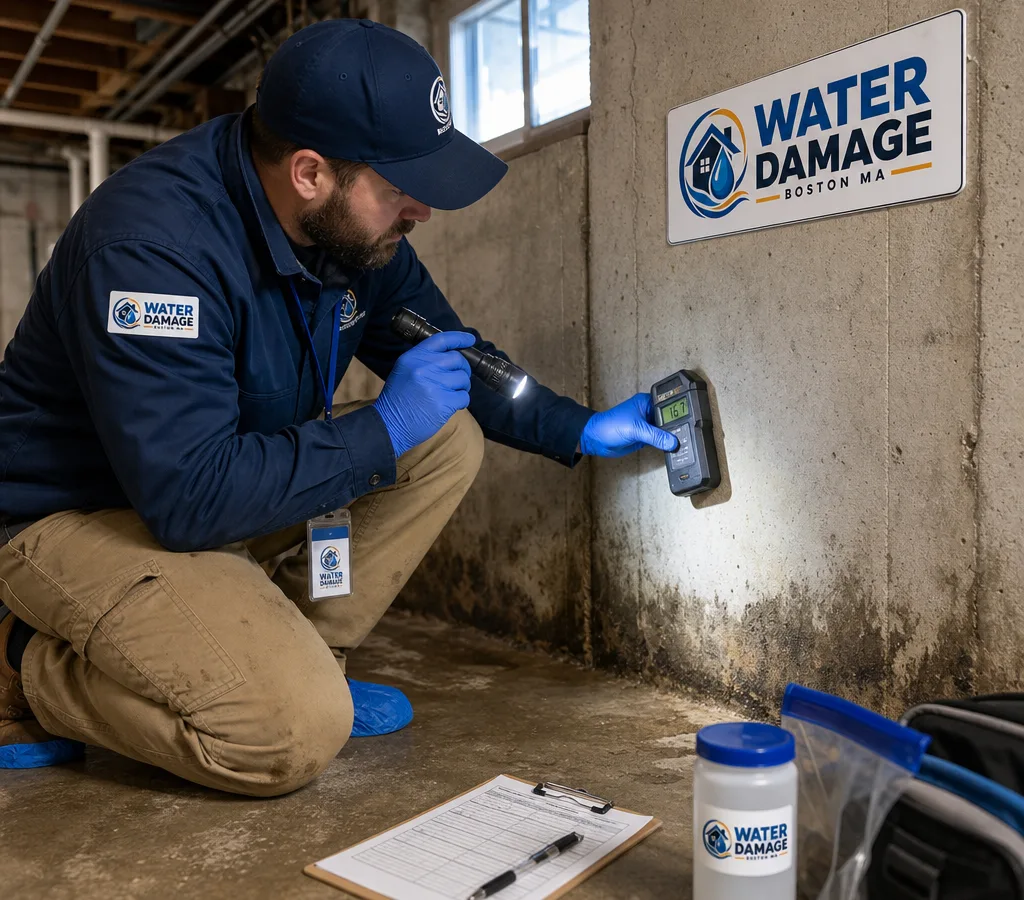
A professional mold inspection focuses on conditions and evidence, not guesses. We start by listening to the full story—when symptoms started, where odors are strongest, and what leaks or renovations happened—then inspect the areas most likely to hold moisture.
Typical inspection work includes:
Sampling is not always required. Sometimes the conditions are obvious and the best next step is moisture correction and targeted removal.
An inspection does not remove mold, rebuild materials, or guarantee that a building is “mold-free.” Mold spores exist everywhere. The goal is to determine whether you have an indoor growth problem tied to moisture and outline realistic next steps.
If your inspection is tied to a known loss event, water damage restoration work typically coordinates testing and drying so decisions are based on documented conditions rather than assumptions.
Documented And Practical
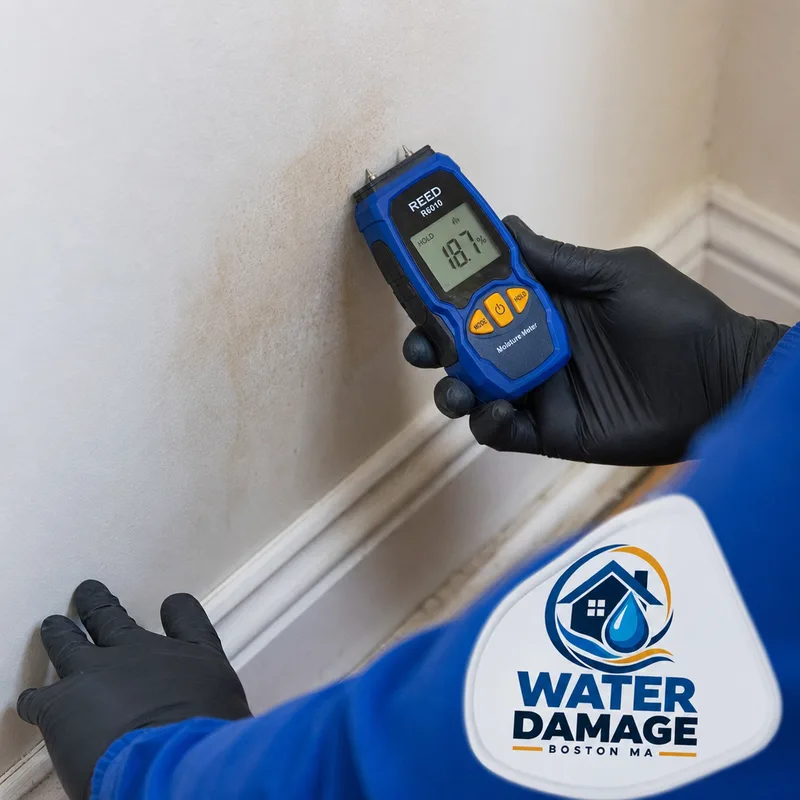
You receive documentation that separates what is confirmed on site—visible growth, moisture readings, and building conditions—from what still needs verification.
We recommend lab testing when it answers a decision question, such as whether discoloration is microbial growth or an area is affecting adjacent rooms.
We explain likely moisture drivers such as condensation, ventilation issues, or past leaks, and what to address first to prevent recurrence.
If you are buying or selling, we can structure notes and photos so the issue is easier for all parties to understand.
We use containment-minded practices while inspecting suspect areas and keep disruption low when working around finished spaces.
You tell us what you have noticed, where it is happening, and whether there has been a recent leak, flooding, or ongoing humidity. We schedule a visit sized to the property and concern.
We inspect affected areas and likely adjacent zones, then take moisture readings to find wet or previously wet materials that can support growth.
If testing will change the decision, we collect the appropriate sample type and document locations so results are easy to interpret.
You get a straightforward summary of observations, probable moisture sources, and recommended actions. If remediation is needed, we explain how to scope it safely and confirm the moisture problem is fixed.
Understanding The Scope
Mold inspection in Boston typically ranges from about $300 to $750 for most homes, with larger properties, multiple problem areas, or extensive sampling pushing costs higher. A basic visual inspection with moisture checks is often at the lower end, while inspections that include multiple lab samples and more time on site trend toward the upper end.
Your price depends on square footage, how many areas need evaluation—basement, attic, HVAC, or multiple bathrooms—access to suspect cavities, and how many samples are appropriate for the question you are trying to answer. Exact cost is confirmed after we understand the property and the scope of the concern.
Local Property Context
Mold problems are always moisture problems, and Boston has recurring patterns that show up during inspections.
📞 Boston • 24/7 ResponseIn neighborhoods with older housing stock such as Beacon Hill and the South End, basements may include stone or brick foundation walls and older mortar. These spaces can stay damp, allowing small seepage or humid air to support growth on stored items, wood framing, or the back side of finished walls.
In Dorchester and Roxbury, many homes have finished basements or garden-level rooms. When a small plumbing leak or seasonal dampness occurs behind drywall, the first sign is often odor rather than visible growth.
In Seaport and parts of Back Bay, newer construction can still develop issues around window assemblies, HVAC condensate lines, and small supply leaks. Shared walls make it important to identify whether moisture originates in your unit or migrates from an adjacent space.
During an inspection, we consider where water could enter, where indoor moisture could be produced, and where it could hide—behind baseboards, beneath flooring, or inside soffits. The goal is to narrow the concern to specific locations so the next step stays targeted.
Answers Before The Visit
Scheduling depends on current demand, but many inspections can be set up within a few days, and urgent situations may be accommodated sooner when there is an active moisture issue. If you have an active leak or standing water, tell us upfront so we can prioritize the visit and help you plan immediate moisture control.
Not always; air sampling is most useful when you need to compare indoor areas to an outdoor baseline or when symptoms suggest an issue but visible growth is not found. If there is obvious growth and a clear moisture driver, the priority is fixing the moisture and scoping removal, and sampling may not change the next step.
The right method depends on the question: surface samples help confirm whether a visible spot is microbial growth, air samples help evaluate airborne spore levels in specific rooms, and cavity samples can be useful when growth is suspected behind finishes. We document each sample location so lab results tie back to a real place and decision.
We can often identify likely microbial growth based on appearance, location, and moisture conditions, but some staining—soot, dirt, tannins, or old water marks—can look similar. If identification will affect your decisions, we recommend a targeted sample so the conclusion is based on evidence rather than a visual guess.
Yes, we can inspect your unit and document conditions that suggest moisture migration from shared walls, ceilings, or adjacent units. We will also note when a building-level issue is plausible so you have objective documentation to bring to property management or the association.
Do not disturb suspected growth, and avoid running air cleaners or ozone devices that could skew conditions. If possible, clear access to areas of concern and share any history of leaks, repairs, or prior remediation so the inspection can focus on the most likely pathways.
Yes; after findings are documented, we explain practical options such as moisture correction, targeted removal, containment considerations, and whether a post-remediation verification test makes sense. The goal is to help you choose a scope that matches the actual conditions found.
Share what you are seeing or smelling and where it is happening. We will schedule a mold inspection, document the conditions, and walk you through the next reasonable step based on evidence.