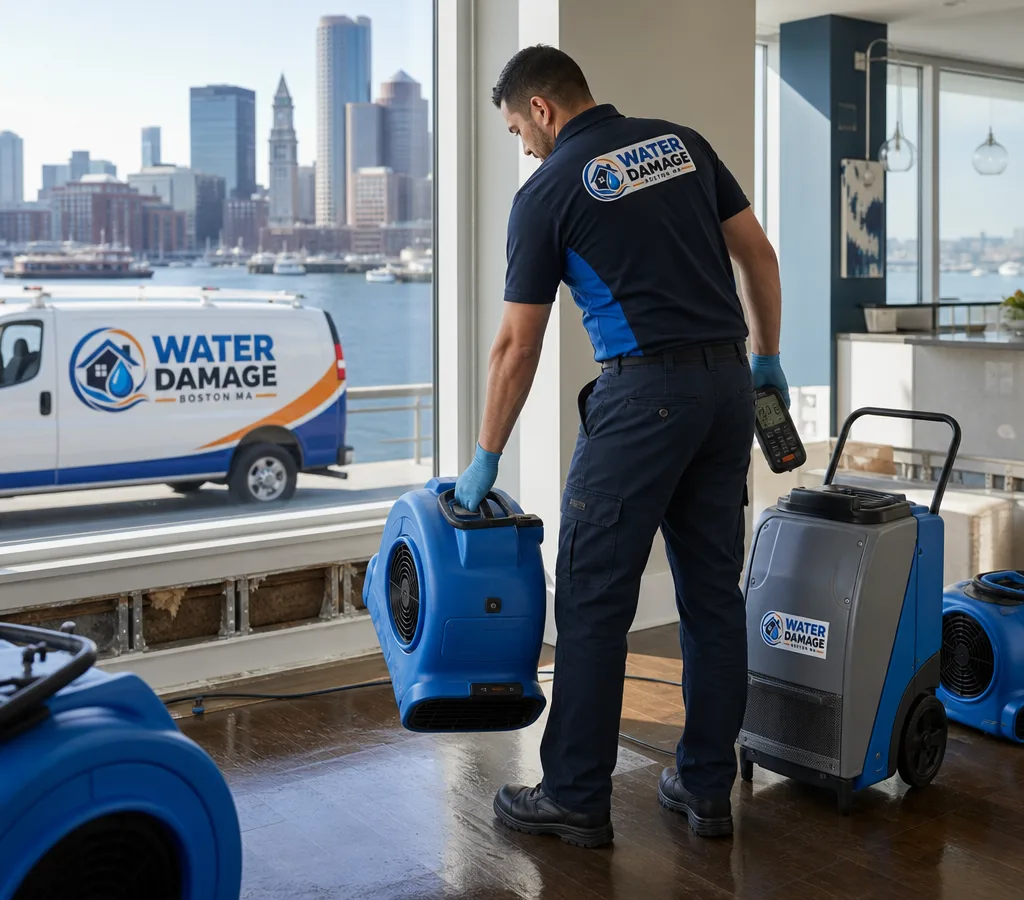
Technician setting up air movers and a dehumidifier in a Boston waterfront condo while checking moisture levels

Water Restoration · Boston Harbor

Boston Harbor Water Restoration

When water gets into walls, floors, or cabinetry, time matters. Get a rapid on-site inspection, a clear drying plan, and careful cleanup that helps protect your building and contents.

Moisture Mapping
Controlled Drying
Water Extraction
Written Scope

Protect The Building First

Fast response for waterfront leaks, flooding, and building water losses

Boston Harbor water restoration is specialized work: salt air, wind-driven rain, mixed-use buildings, and tight mechanical chases can turn a small leak into hidden moisture fast. Water Damage Boston MA provides water damage restoration service in Boston with an inspection-first approach: we identify the source and category of water, map moisture in building materials, and set up controlled drying so the affected areas can be repaired safely.

Whether the water came from a supply line, a dishwasher hose, a unit above, a sprinkler discharge, or stormwater intrusion, the goal is the same. Stop the spread, dry structure to appropriate targets, and prevent secondary damage like warping, delamination, odor, and mold growth. If you are coordinating with a property manager, HOA, or commercial facilities team, we can document conditions and communicate the scope clearly so decisions move forward.

If you are comparing providers, start with Water Damage Boston MA for a local team that focuses on practical next steps, not vague promises.

Request Emergency Service

Inspection-Led Restoration

What you get with our Boston Harbor water restoration work

Moisture mapping that finds what you cannot see

We use moisture meters and thermal imaging to locate wet drywall, saturated insulation, and moisture trapped under flooring, especially common in condos and older buildings with multiple remodel layers.

Drying plans built around the building, not guesswork

Airflow, dehumidification, containment, and monitoring are set up to match materials on site, from plaster and lath to modern gypsum board, engineered wood, and tile assemblies.

Careful water extraction and controlled demolition

We extract standing water, remove unsalvageable materials when needed, and open cavities selectively so the structure can dry without tearing out more than necessary.

Documentation that helps with management and insurance

You receive a written scope, photos, and drying logs when applicable, which is helpful for claim files and for coordinating approvals in managed buildings.

Contents-aware work practices

We stage and protect furnishings, rugs, and personal items, and we isolate the work area when conditions call for it to limit dust and disruption.

Request Emergency Service

Waterfront Property Conditions

Where Boston Harbor water losses behave differently

Water problems around the Harbor often show up in ways that surprise property owners.

In Seaport and Fort Point, many buildings are newer, with finished basements, garage levels, and dense mechanical systems. A small leak can travel through chases and show up far from the source, so tracing and moisture mapping matters.

In the North End and other older parts of downtown, you can run into plaster walls, multiple flooring layers, and tight joist bays. Drying takes a plan that respects older materials and avoids unnecessary demolition.

Around South Boston and Dorchester near the water, wind-driven rain and seasonal storms can push water into window assemblies, balcony details, or roof transitions. Fast extraction is only the first step; the follow-through is verifying that hidden cavities are actually drying.

Across all these areas, humidity spikes in summer can slow drying if equipment is undersized or monitoring is skipped. We set realistic drying targets, track progress, and adjust equipment so the job ends when the structure is dry, not when it merely looks dry.
Request Emergency Service
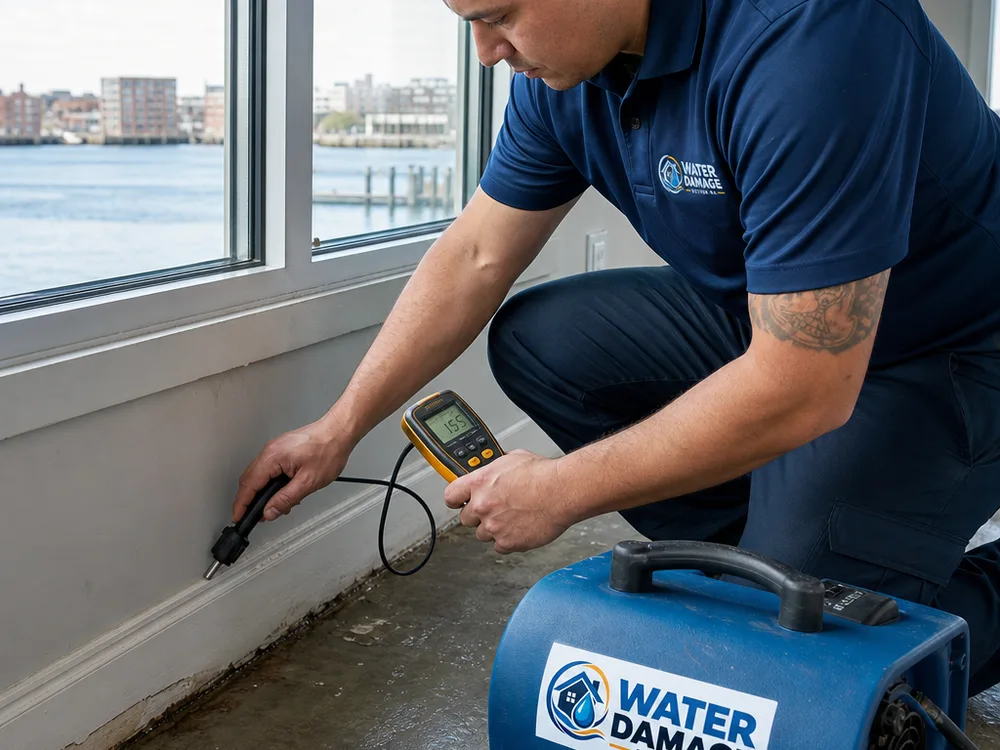
Technician taking moisture readings on baseboards and drywall beside a harborfront window with an air mover in place

From Inspection To Handoff

Our water restoration process (what happens after you reach out)

Request Emergency Service
01

On-site inspection and source awareness

We start by identifying where the water came from and what materials are affected. If the source is still active, the priority is stopping the intrusion and protecting adjacent units or rooms.

02

Moisture mapping and scope writing

We check walls, ceilings, trim, and flooring for migration paths. Then we outline what needs extraction, what can be dried in place, and what materials are not salvageable.

03

Extraction and stabilization

Standing water is removed, wet contents are staged or protected, and we set up airflow and dehumidification to start pulling moisture out of structural materials.

04

Controlled drying with monitoring

We monitor moisture levels and humidity and adjust equipment placement as conditions change. In condo and commercial settings, we coordinate access so progress does not stall.

05

Dry standard confirmation and next-step handoff

Once the structure reaches appropriate dry targets, we document the outcome and outline repair recommendations so reconstruction can move forward without trapping moisture behind finishes.

Understanding The Scope

How Much Does Boston Harbor Water Restoration Cost in Boston?

Boston Harbor water restoration typically ranges from about $900 to $3,500 for a small, contained clean-water loss with drying equipment, while larger losses involving multiple rooms, ceilings, or heavier demolition often run $4,000 to $12,000+. Your actual cost depends on the water category, how long materials stayed wet, how many layers must be opened to dry (flooring, underlayment, insulation), access restrictions in managed buildings, and how much equipment time is required. After an on-site inspection and moisture mapping, we confirm a written scope before work begins.

Request Emergency Service

Restoration In The Field

What professional drying and cleanup looks like on real jobs

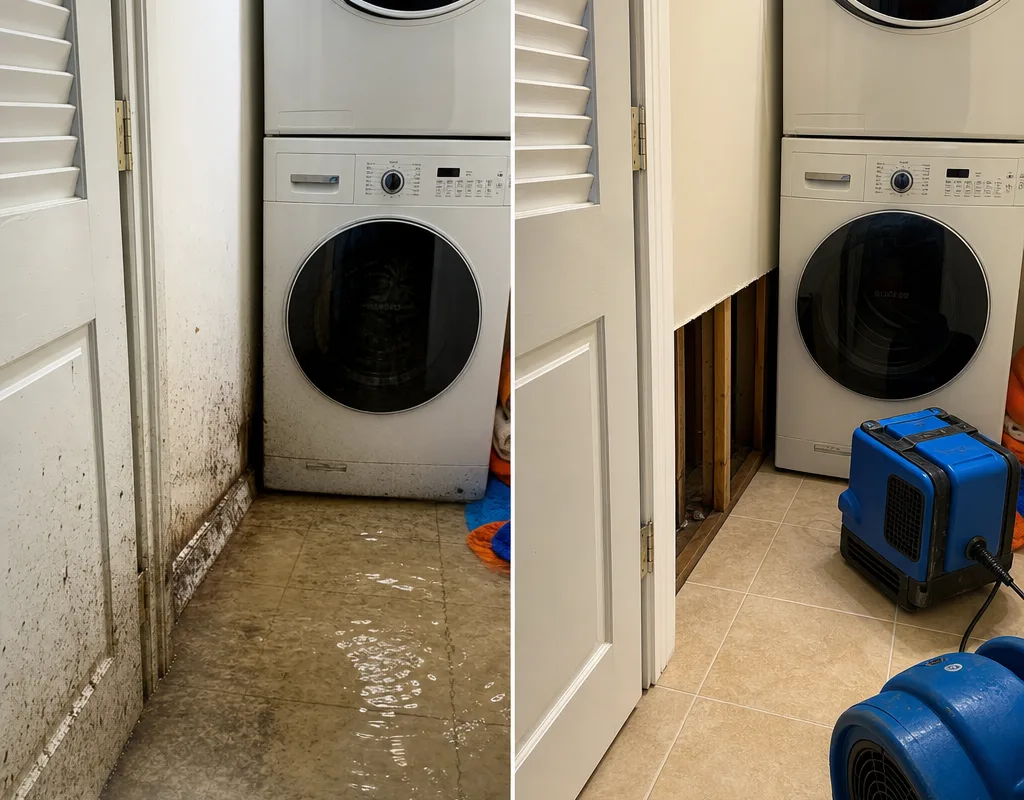
Before and after view of a flooded condo laundry closet with water removed and the wall cavity opened for drying
Selective removal to dry wall cavities, then verified drying.
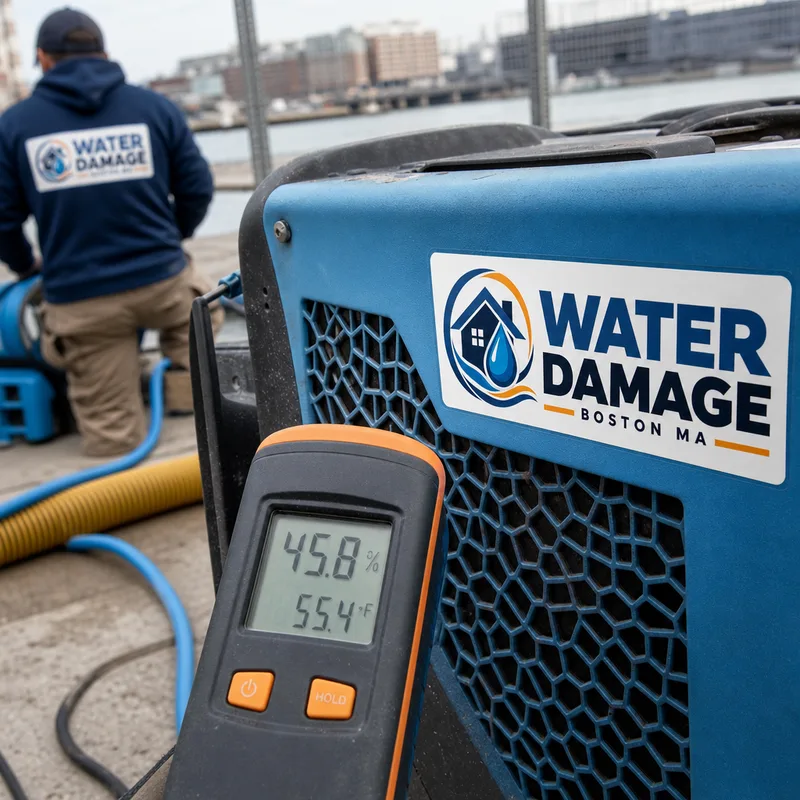
Commercial dehumidifier with a digital hygrometer on a Boston waterfront restoration job
Equipment sized for fast, controlled dehumidification.
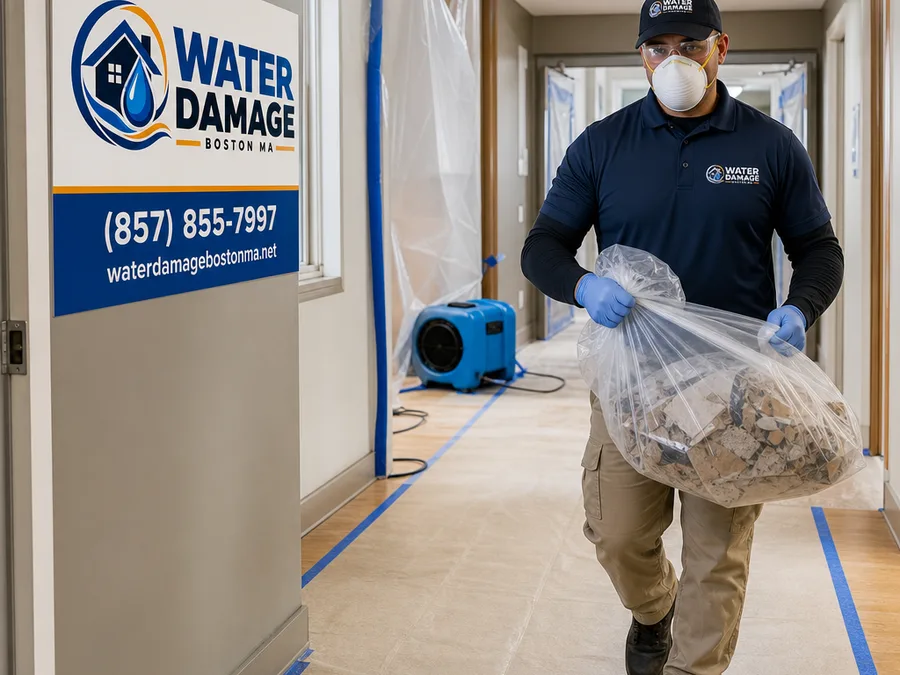
Technician installing containment and positioning air movers along a Seaport apartment hallway
Containment and airflow planning to reduce disruption.
Request Emergency Service

Homeowner Experiences

Clear drying work when coordination matters

“A pipe in the unit above leaked into our ceiling near the Harbor. They found moisture behind the walls we would have missed, set up drying the same day, and kept us updated with readings so we could coordinate repairs with the building.”

“After stormwater got in by a sliding door, they handled extraction and drying without tearing out more than needed. The written scope and photos made the insurance side much easier.”

Answers Before Work Begins

Boston Harbor water restoration FAQs

How fast should I start water restoration after a leak?+

Start mitigation as soon as you can because moisture can migrate under flooring and into wall cavities within hours, especially in multi-unit buildings where water follows chases and penetrations. Even if you have already shut off the source, an inspection and moisture mapping helps confirm whether drying equipment is needed or if materials can be saved.

Do you work with condos and managed buildings near the Harbor?+

Yes. Condo losses often involve coordination for access, elevator rules, quiet hours, and documenting conditions for management and insurers, so we keep the scope clear and communicate what areas need entry (affected unit, unit above, shared hallway, or mechanical spaces) to avoid delays.

What if the water came from a unit above mine?+

The first step is confirming how far the water traveled: ceilings, light fixtures, wall cavities, and flooring edges are common pathways. We can map moisture, set up drying to protect your finishes, and provide documentation that helps each party handle their portion of the restoration and repairs.

Will my hardwood floors be saved after water damage?+

Sometimes, but it depends on how long the floor stayed wet, the type of wood (solid vs engineered), and whether water is trapped under the boards. We check moisture levels and look for cupping or buckling, then recommend either controlled drying in place or selective removal to prevent long-term warping.

How long does the drying portion usually take in Boston?+

Many small clean-water losses dry in about 3 to 5 days with proper equipment, but timelines change when insulation is saturated, multiple layers need to be opened, or summer humidity slows evaporation. We monitor progress and adjust equipment rather than guessing at an end date.

Can you help if there is a sewer backup or contaminated water?+

Yes. Losses involving contaminated water require different safety steps, containment, and material removal rules than clean-water leaks. We will explain what must be removed versus what can be cleaned and dried, and we will outline the protective measures used to keep the rest of the home or suite safe.

Need Boston Harbor water restoration now?

Tell us what happened and where the water is showing up. We will schedule an on-site inspection, map the moisture, and give you a written scope with a straightforward plan to get the property dry and ready for repairs.