Mold Remediation
Containment, removal of affected building materials, and detailed cleanup to address active mold growth in a space.
Serving Boston, Massachusetts & surrounding areas
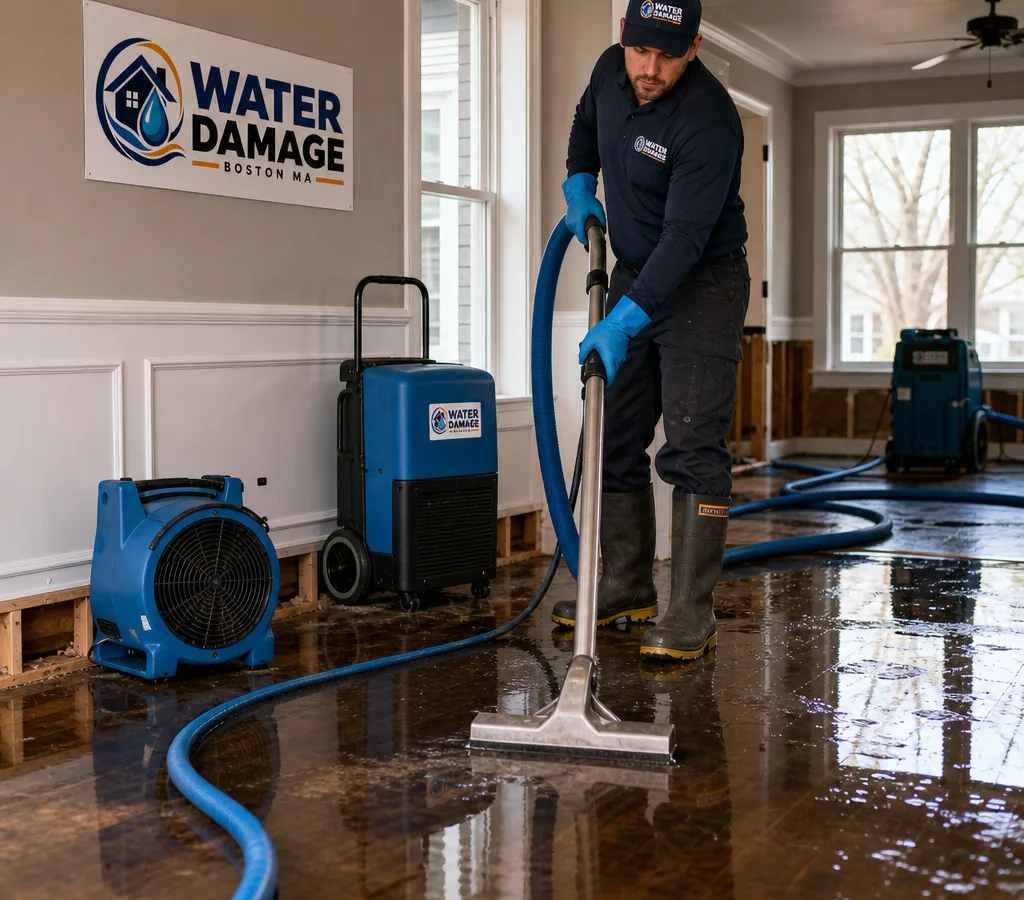
Boston Water Cleanup
Protect your property with fast response for leaks, floods, and burst pipes. We contain the mess, extract the water, dry the structure, and document what happened so you can move forward with a clear plan.
Protect What Can Be Saved
When water gets into floors, walls, or ceilings, the visible mess is only part of the problem. The bigger risk is what you cannot see: wet insulation, soaked subfloors, trapped moisture behind baseboards, and materials that stay damp long enough to swell, stain, or grow odor.
For water damage Boston MA homeowners and property managers, the goal is simple: stop the source, remove water quickly, dry the building the right way, and prevent secondary damage. Our team uses professional extraction and drying equipment, moisture mapping, and clear documentation of affected materials. You get straightforward communication on what is wet, what can be saved, what needs removal, and what the next steps look like.
If you are dealing with a sudden event—like an overflow or supply-line failure—or a slow leak that finally showed itself, we treat Boston water damage as a time-sensitive repair problem. The sooner drying starts, the more you can usually preserve.
Related Services
Containment, removal of affected building materials, and detailed cleanup to address active mold growth in a space.
Targeted cleanup for mold discovered in bathrooms, basements, closets, and other moisture-prone areas.
On-site inspection to identify likely sources, affected areas, and the conditions that are feeding growth.
Sampling and results to help confirm concerns and guide the next steps for cleanup or repairs.
Clear tough clogs and slow drains in sinks, tubs, showers, and floor drains with professional equipment.
Diagnostics and service for recurring drain issues, backups, and problem lines that need more than a basic clearing.
Full restoration after water loss, including controlled demolition where needed and coordination from drying through repairs.
Water cleanup and drying support for properties near the harbor where moisture intrusion can become a bigger issue.
Restoration services focused on cleanup and repair needs for properties in the harbor area.
Cleanup and restoration support when water loss is combined with smoke, soot, or other fire-related damage.
Find the source of hidden leaks so repairs can be targeted and drying can start with confidence.
An Orderly Response
We focus first on stopping spread, protecting finishes, and removing standing water fast.
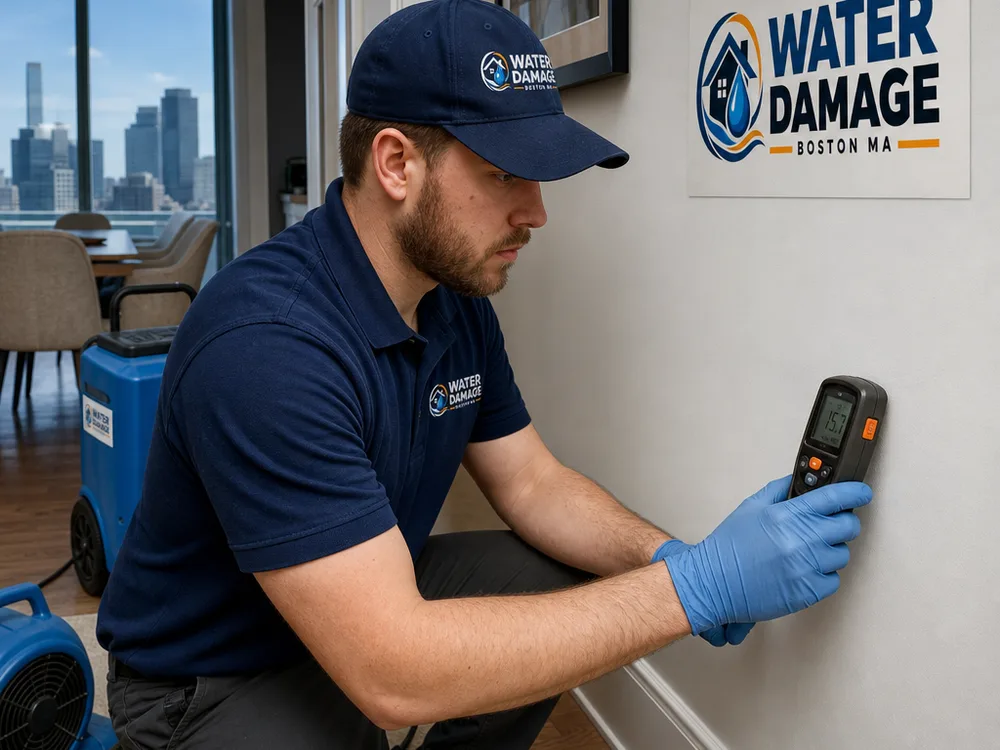
We track moisture in walls, floors, and framing so drying is based on readings, not guesswork.
Air movers and dehumidifiers are sized and placed for airflow, temperature, and the materials involved.
You get a written picture of what is affected and what work is recommended before major steps begin.
We protect pathways, control dust when removals are needed, and keep disruption as low as the situation allows.
We explain what to do right now, what to avoid, and how to prioritize repairs after drying.
Local Building Knowledge
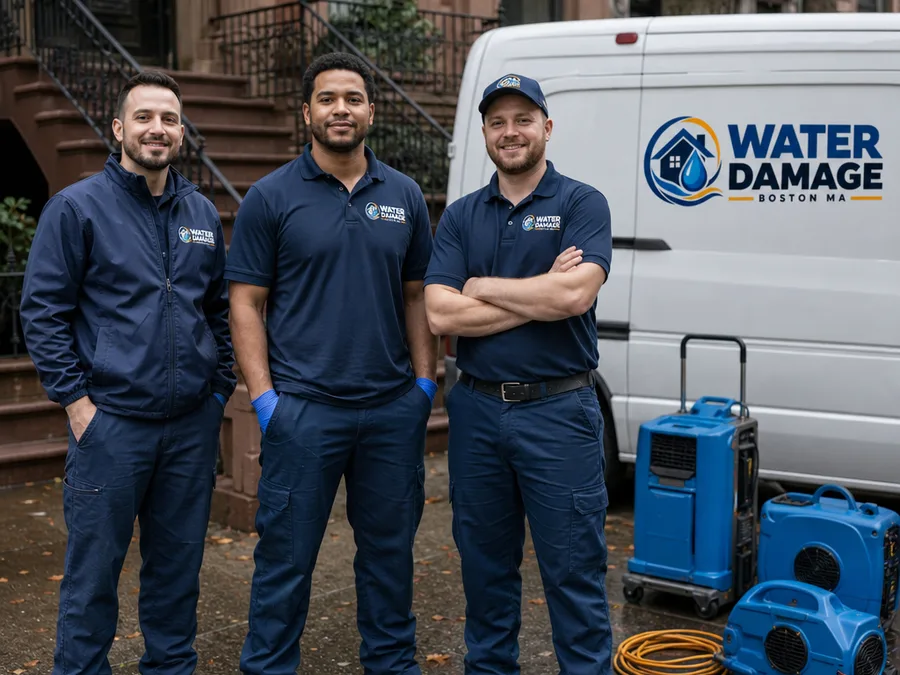
Water Damage Boston MA is a local team focused on water damage cleanup for Boston homes, condos, and small commercial spaces. We approach each job like a building problem, not a quick mop-up: identify the source, remove water, dry the structure, and define the next steps so repairs do not get derailed by lingering moisture.
Boston properties come with real constraints. Condo buildings often have shared walls, tight mechanical closets, and strict requirements for protecting common areas. Older housing stock can hide water pathways through plaster, layered flooring, and multiple remodel eras. We work within those realities with careful containment, moisture verification, and straightforward communication so you can make decisions quickly.
If you need documentation for a property manager, an insurance claim, or simply peace of mind, we keep records of moisture readings and affected areas and explain the logic behind the scope.
Planning Your Cleanup
Water damage cleanup in Boston typically ranges from about $900 to $6,000+, with small localized extraction and drying often landing around $900 to $2,500 and larger multi-room losses or projects needing material removal commonly running $3,000 to $10,000+.
Final pricing depends on the category and volume of water, how far it traveled—including into walls and subfloors—the drying days required, access such as walk-ups, tight basements, and condo rules, and what materials must be removed and disposed of. The exact cost is confirmed after an on-site inspection and moisture mapping.
We assess the source, water type, and immediate risks like electrical exposure, slipping hazards, or ceiling collapse concerns.
We protect flooring and pathways, isolate affected areas when needed, and prevent water from spreading to dry rooms.
Standing water is removed first. If materials cannot be dried safely, we outline removal options before proceeding.
We set equipment based on the space and monitor moisture to confirm drying progress, adjusting placements as needed.
You receive a clear scope of what happened, what was done, what is dry, and what repairs are recommended next.
If you see staining, bubbling paint, warped flooring, or that damp smell after a leak, act early. A quick inspection can prevent a small water issue from turning into a bigger rebuild.
Call for Emergency HelpLocal Coverage
We handle water damage in Boston, with a focus on neighborhoods where building style and access change how cleanup and drying must be done.
Request Emergency ServiceBack Bay: Historic row buildings and finished basements make fast extraction and careful drying important to protect plaster, trim, and layered finishes.
South Boston: Triple-deckers and renovated units often have layered flooring and shared walls where water can travel beyond the visible area.
Dorchester: A mix of older homes and multi-family properties means leaks can affect multiple levels, so moisture mapping matters.
Jamaica Plain: Older housing stock and tight mechanical areas can hide slow leaks that require targeted drying behind finishes.
Roxbury: Many homes have finished spaces where water gets into subfloors and wall cavities, making verification readings important.
Charlestown: Narrow streets and dense housing call for organized staging and protection of common areas during the work.
“We had a supply line leak that soaked the kitchen floor and started creeping into the next room. They showed up quickly, explained what was actually wet behind the baseboards, and got the drying set up the same day.”
“As a condo owner, I needed everything kept clean in the hallway and documented for the building. The crew was careful, and the moisture readings helped me understand when it was really dry.”
“I appreciated the straight answers. They told me what could be saved, what needed to come out, and what the timeline would look like instead of making it feel mysterious.”
Answers Before Work Begins
Response time depends on current workload and conditions, but water losses are prioritized because delays make drying harder. If you reach out right away, we will walk through what happened, what is safe to do immediately, and how quickly a team can be scheduled.
We handle both. A small, slow leak can soak subfloors and wall cavities and cause more damage than a brief overflow, so we treat any active moisture as worth checking with meters and a targeted drying plan.
Shut off the water source if you can do it safely, avoid using outlets in wet areas, and move items off wet floors. If the leak is from a ceiling, keep the area clear and place a container to catch water, since wet drywall can fail without warning.
Yes. We can provide job notes, photos of affected areas, and moisture documentation that explains what materials were wet and what was required to dry them.
Sometimes, yes. If water is trapped where airflow cannot reach or materials are contaminated or swollen, selective removal can be the safest path to dry the structure and prevent odor and damage from coming back.
Yes. Boston condos often require protecting common areas, coordinating access, and keeping equipment placement tidy and secure, and we plan the work around those requirements.
Tell us what happened and where the water is showing up. We will help you triage the situation, inspect the affected areas, and outline the drying and cleanup steps so you can protect your Boston property with confidence.