Root-cause approach, not guesswork
We look for the reason the drain slowed down, such as grease buildup, hair and soap scale, wipes, food waste, or root intrusion in older sewer laterals, then choose the right method to clear it.
Serving Boston, Massachusetts & surrounding areas
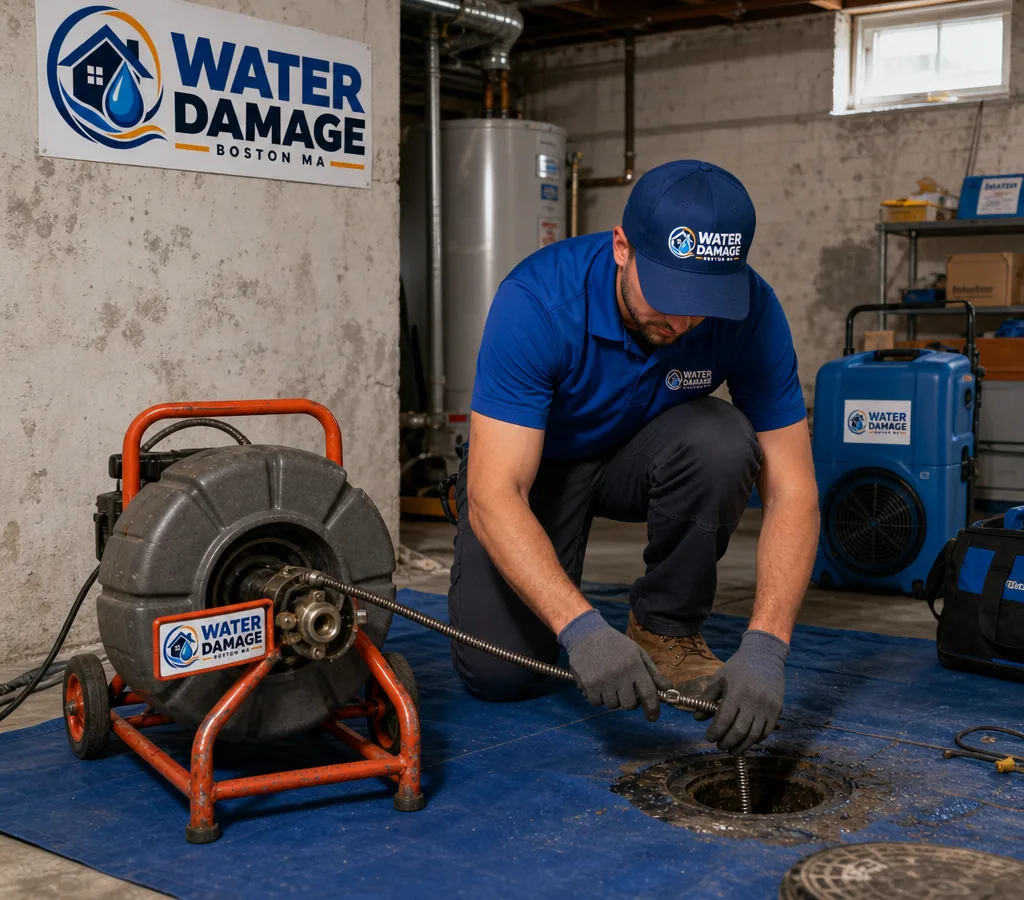
Drain Cleaning Service · Boston, MA
Slow sinks, backed-up tubs, and recurring clogs need more than a quick fix. Get prompt drain cleaning with a clear scope of work, upfront options, and careful cleanup when the line is flowing again.
Restore Normal Flow
If you searched for a Boston drain cleaner, you are probably dealing with standing water, gurgling drains, or a clog that keeps coming back. Drain problems can turn into a mess quickly, especially in older Boston buildings where tight pipe chases, mixed plumbing updates, and limited access can make a simple blockage harder to reach.
Water Damage Boston MA provides Boston drain cleaning for the lines that matter most: kitchen sinks, bathroom sinks, tubs and showers, laundry drains, floor drains, and main lines. The goal is straightforward. Restore normal flow, identify what caused the blockage, and recommend the next step that makes sense for your pipe type and the way the drain is being used.
A Better Way To Clear Clogs
We look for the reason the drain slowed down, such as grease buildup, hair and soap scale, wipes, food waste, or root intrusion in older sewer laterals, then choose the right method to clear it.
Different clogs call for different equipment. We use professional cabling and jetting where appropriate, rather than relying on consumer chemicals that can miss the blockage or damage certain pipes.
Drain work often happens in tight Boston basements, under-sink cabinets, or shared utility areas. We protect nearby surfaces, control splash, and clean up so the area is usable right away.
You get a straightforward explanation of what we found and what it takes to restore flow. If there are multiple ways to proceed, we explain the tradeoffs before any work starts.
Clogged drains can interrupt a household or a small business day fast. We prioritize quick scheduling and practical fixes that hold up to real use.
Boston Drain Conditions
Boston's building mix creates a predictable set of drain issues. Triple-deckers, rowhouses, and older condos may have long runs, older cast iron, or patched-in renovations over the decades. Newer buildings can still clog, especially in kitchen and laundry lines with high daily use.
Typical drain cleaning calls include:
If you are also dealing with wet flooring or seepage because a backup already occurred, our team can help coordinate next steps through water damage restoration so drying and cleanup do not get delayed.
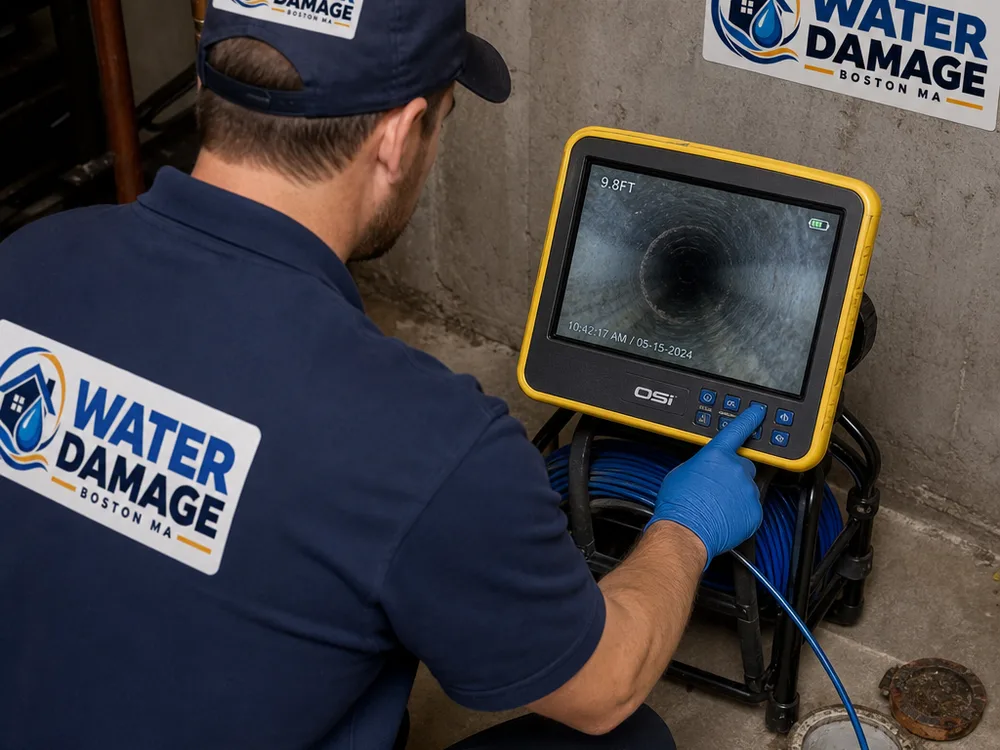
We confirm which drains are affected, whether the issue is constant or intermittent, and whether there are signs of a main-line problem such as multiple slow fixtures, the lowest drain backing up, or gurgling.
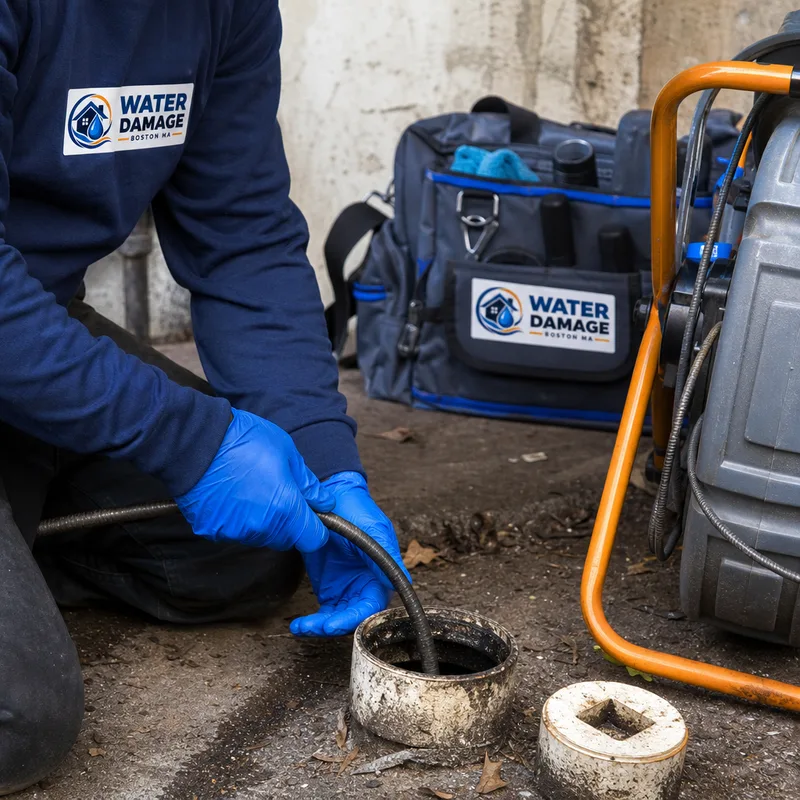
Boston properties often have limited clearance under sinks, finished basements, or shared utility areas in multifamily buildings. We identify the best access point—trap, cleanout, or another serviceable entry—before setting up equipment.
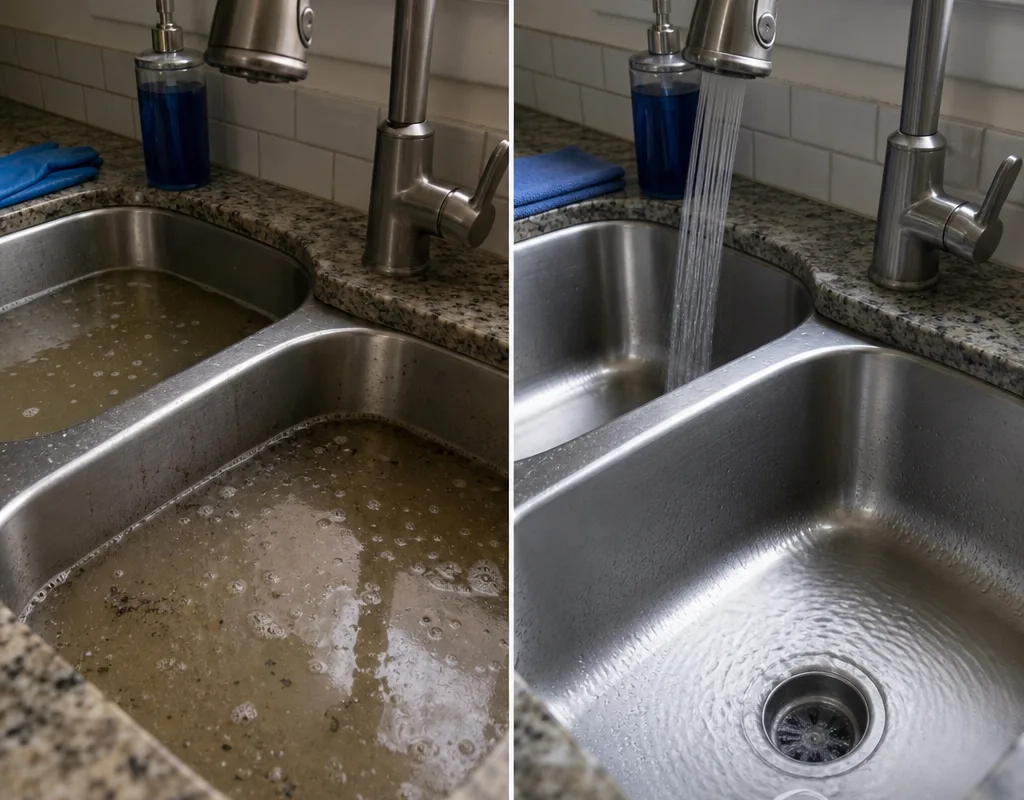
We clear the blockage with the right-sized cable and head for the line, then run water to confirm normal flow and check for signs the clog is likely to return quickly.
When a drain keeps clogging, a camera inspection can confirm whether the issue is buildup, a belly in the line, root intrusion, or a damaged section of pipe.
You get practical next steps based on what we saw: maintenance intervals for a trouble line, usage changes that matter, or repair recommendations if the pipe condition is the real cause.
Understanding The Scope
Most Boston drain cleaning jobs typically range from about $175 to $650, depending on which line is clogged and how hard it is to access. A simple sink or tub line is often on the lower end, while main line clearing, recurring clogs, or lines that require jetting or camera verification trend higher.
Your price changes with the fixture type, distance to the blockage, pipe condition—older cast iron can hold heavy scale—and whether a cleanout is available. The exact cost is confirmed after an on-site evaluation of the affected drain and access point.
Careful Setup · Controlled Work · Verified Results

Answers Before Work Begins
If multiple fixtures are slow at the same time or the lowest drain in the building backs up, the main line is a likely culprit and should be checked first. A single slow sink or tub usually points to a branch line clog closer to that fixture, often at the trap or within the first several feet of piping.
We usually avoid chemical drain cleaners because they often fail to remove the full blockage and can be harsh on certain pipe materials and seals. Mechanical clearing and, when appropriate, hydro jetting physically remove the obstruction and help restore the pipe's usable diameter.
Yes, but the approach matters because older cast iron often has scale buildup that narrows the line and catches debris. We choose cable size and heads to clear the stoppage without being overly aggressive, and we may recommend camera verification when clogs recur so you are not repeating the same service without addressing the underlying restriction.
Hydro jetting is safe when the pipe is a good candidate and pressure is matched to the pipe condition. If a line is fragile, severely corroded, or has compromised joints, we may start with a camera inspection or a gentler mechanical clearing method and then recommend the safest long-term plan.
Stop running water to the affected fixtures, especially if there is standing water or a risk of overflow. Avoid plunging aggressively on a multi-fixture backup because it can push water into other drains, and keep the area around under-sink plumbing or floor drains clear so we can access cleanouts, traps, or shutoffs quickly.
Recurring clogs usually mean there is a restriction left behind, not just a one-time blockage. Common causes include grease and sludge coating the pipe walls, hair and soap buildup, roots, or a sagging section of pipe that holds water and debris; a camera check can confirm which one it is and what fix will actually last.
Tell us what is happening—which fixture, how long it has been slow, and whether more than one drain is affected. We will recommend the right next step and provide a clear plan before work begins.